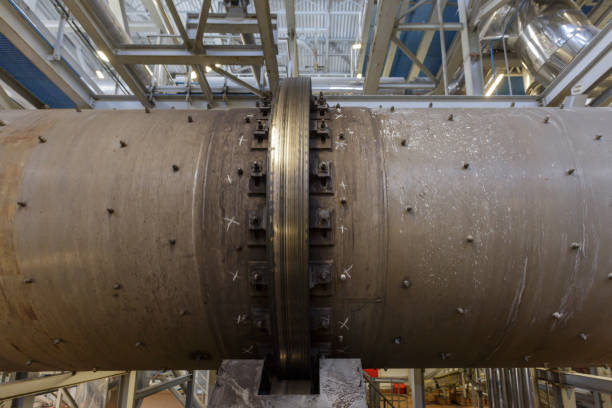

I’ll be honest, the first time I heard about rotary lime kiln equipment, I kinda thought… okay, just another big industrial machine, right? But nah, once you start digging a bit, it’s actually one of those behind-the-scenes things that quietly powers a lot more than people realize. Like, construction, steel, even water treatment — all somehow connected to lime. Weirdly important stuff.
So yeah, rotary lime kiln equipment is basically the heart of lime production. Without it, none of that smooth, white lime powder you see (or don’t notice) would even exist. And if you’re someone working in this space, you probably already know — choosing the right setup can feel like picking a car… except the “car” costs way more and fixing it is not fun at all.
I remember talking to a guy who worked at a small lime plant — he compared it to owning an old diesel truck. Runs strong, does heavy work, but if you ignore small issues… boom, suddenly everything goes wrong at once. Pretty accurate honestly.
Why these kilns are not as “simple” as they look
At first glance, it’s just a rotating cylinder, right? Heat goes in, limestone goes in, lime comes out. Easy.
But yeah, not really.
The inside environment is super intense — we’re talking temperatures around 900–1000°C. That’s hotter than most people can even imagine properly. And maintaining that heat evenly across the whole kiln is… kinda tricky. If one side gets hotter than the other, the quality of lime starts going weird. Sometimes over-burnt, sometimes undercooked. Like making roti but your pan is uneven — except this mistake costs lakhs.
Also, I’ve seen people online (mostly LinkedIn engineers lol) talk about how even a tiny misalignment in the kiln can mess up efficiency by 5–10%. That sounds small but in industrial terms? That’s huge money.
If you’re checking out proper systems, you’ll probably come across options like Oswal Kiln Seals and their approach to improving performance. Their page on Oswal Kiln Seals Lime Industry Solutions actually explains some of this stuff in a more practical way, not just textbook theory.
Heat, fuel, and that constant fight to save money
One thing nobody tells you clearly is how much fuel these kilns eat. It’s like feeding a giant who never gets full.
Coal, gas, petcoke — whatever the plant uses, the cost adds up fast. And recently, I’ve noticed a lot of chatter (especially on industry forums and even some random YouTube comments sections) about companies trying to cut fuel consumption. Some claim savings of 8–12% just by optimizing airflow or sealing leaks better.
Sealing, by the way, is kind of underrated. Like seriously underrated.
If your kiln isn’t sealed properly, heat escapes. And when heat escapes, money escapes. Simple math. It’s like running AC in your room with the window open… you can do it, but why would you?
I think this is where a lot of plants mess up. They invest in the main equipment but ignore the smaller components that actually improve efficiency long-term. Bit ironic.
The quality game… and why it matters more than people think
Okay so, lime is lime… or is it?
Not really. The quality varies a lot depending on how well the kiln operates. High-reactivity lime is needed for certain industries, like steel manufacturing. If the lime isn’t right, the whole downstream process suffers.
I once read a niche stat (can’t remember exact source, but it stuck with me) that even a 3% drop in lime reactivity can impact steel output efficiency noticeably. That’s kinda crazy when you think about it.
So yeah, the kiln isn’t just producing lime — it’s deciding how good that lime is. Which indirectly affects other industries too. Bit of a domino effect.
What people don’t usually say out loud
Let me say something slightly unpopular… not all rotary kilns are built equally, even if they look the same in brochures.
Some manufacturers overpromise. You’ll see big claims like “low maintenance” or “maximum efficiency,” but in real life? Maintenance always comes. Always. It’s more about how manageable it is, not whether it exists.
Also, I’ve noticed a trend where smaller plants try to cut corners initially to save money. And yeah, it works for a while. But after a year or two, repair costs hit hard. Kind of like buying cheap shoes — fine for a few months, then suddenly uncomfortable and falling apart.
The online buzz and what operators are actually saying
If you scroll through some industrial forums or even LinkedIn posts (yeah I do that sometimes when I’m bored), you’ll see mixed opinions.
Some operators swear by modern upgrades — better seals, improved burners, automated controls. Others are like, “old systems work fine, don’t overcomplicate things.”
Honestly, both sides have a point.
Automation does help, especially in maintaining consistent temperature. But at the same time, experienced operators can manage older systems surprisingly well. It’s not always about the tech, sometimes it’s about the person running it.
A small thing that actually makes a big difference
Air leakage.
Sounds boring, I know. But it’s one of those small issues that quietly ruins efficiency. When outside air enters the kiln, it cools things down. Then you need more fuel to maintain temperature. Which means more cost.
Fixing that isn’t always expensive either. Sometimes it’s just about better sealing systems or regular maintenance checks. But yeah, many plants ignore it until it becomes a bigger issue.
So what’s the takeaway here?
If you’re dealing with rotary lime kiln seals equipment, it’s not just about buying it and letting it run. It’s more like maintaining a long-term relationship… with a machine that demands attention.
You gotta think about heat balance, fuel efficiency, sealing, alignment — all these small things that add up. Ignore them, and the kiln will remind you (usually in an expensive way).
And honestly, even after writing all this, I feel like I’ve only scratched the surface a bit. There’s always something new coming up — new materials, better designs, smarter controls.
But yeah, one thing’s clear. This equipment might not look fancy, but it’s doing a lot more heavy lifting than most people give it credit for.