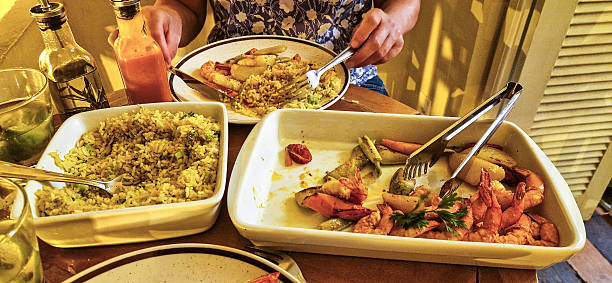

Ever noticed how your mom’s spaghetti or that lasagna you whipped up last week tastes like it’s sprinkled with magic, while the same thing at some fancy restaurant feels… meh? I swear it’s not just nostalgia talking. There’s this weird comfort factor in homemade food that restaurants can’t really replicate. When you’re cooking at home, there’s a certain freedom — you can taste as you go, add that extra pinch of salt, or even experiment with weird combos like garlic and peanut butter (don’t ask, it worked once). Restaurants, even the good ones, have recipes to follow. Every plate comes out the same, like a robot chef pressed “reheat.”
And honestly, comfort isn’t just emotional. Studies show people literally feel happier eating something they cooked themselves. It’s like your brain is giving you a little high-five for adulting. Social media is full of this — scroll through TikTok or Instagram, and you’ll see thousands of people proudly showing off their homemade dishes with captions like “not perfect but it’s mine” or “I can’t even with delivery anymore.” The relatability factor makes you enjoy it more, even if it doesn’t look like a chef’s Instagram shot.
Freshness Isn’t Just a Buzzword
One thing restaurants rarely tell you is that much of the food sitting in the kitchen isn’t exactly fresh. Some ingredients have been prepped hours or even days ago. At home, you pick what goes in, when it goes in. The tomatoes you sliced five minutes ago, the herbs you just plucked from your tiny balcony garden, the chicken you defrosted that morning — it all hits differently. Fresh ingredients have a way of boosting flavor without you even trying. It’s science-y too — fresher food retains more natural sugars and aromatic compounds, which makes your taste buds happy.
I remember making a simple tomato pasta once, just tomatoes, garlic, olive oil, and basil. I was like, why do restaurants charge so much for this exact thing? Mine tasted so vibrant I actually made my neighbor come over just to witness the glory. And yeah, it felt like bragging, but also, I was genuinely proud.
Control Freak Benefits
Another thing: when you cook at home, you control everything. Spicy enough? Check. Too salty? Adjusted. Don’t like mushrooms? Gone. Restaurants try to accommodate, but there’s only so much you can customize before they start looking at you like you’re auditioning for some picky-eater reality show. At home, your taste rules. You are the king, the emperor of your kitchen, and the taste is exactly what you want it to be.
Also, this control thing isn’t just about taste. Health-wise, homemade meals usually have fewer hidden oils, preservatives, or “restaurant magic” powders that make everything taste amazing but don’t exactly love your stomach later. I learned this the hard way — I tried this one ramen place downtown and felt like a balloon for two hours. My own ramen at home? Filling, tasty, and I didn’t need to nap for an hour after.
Emotional Investment Makes Food Taste Better
There’s also this weird emotional thing going on. You put your effort into it — chopping, stirring, tasting — and suddenly the brain says, “Hey, this is awesome because you made it!” Scientists actually call this the “IKEA effect,” where people value things more if they made them themselves. Same goes for food. That tiny bit of sweat over a hot stove suddenly turns your simple dinner into a masterpiece.
Plus, there’s nostalgia sprinkled in without even noticing. Even if you’re just cooking a sandwich, the smell of toasted bread, butter melting, and that little sizzle of cheese triggers memories of simpler times — maybe childhood lunches or late-night snacks in your dorm. Restaurants rarely get that feeling right because, well, you didn’t make it.
The Weird Thing About Presentation
Here’s something funny: restaurants obsess over presentation, but somehow, it doesn’t always matter to your taste buds. That “Instagram-worthy” plating might look amazing but taste… just okay. Homemade food can look sloppy, sure, but somehow your brain is okay with it because it knows every flavor is intentional. That half-melted cheese blob on your homemade pizza? Delicious. That perfect geometric cheese slice on a restaurant pizza? Meh, tastes the same, but somehow feels less satisfying.
Financial Sweet Spot
And let’s be real — homemade food usually costs way less. That $20 pasta you can make at home for $4 feels like winning. It’s not just about saving money; it’s about getting that satisfaction of stretching your budget and still eating like royalty. Social media is full of people bragging about “$10 meals that feed four” and it makes total sense — there’s pride in making something tasty without burning a hole in your wallet. Restaurants rarely give you that feeling.
Final Thoughts
So yeah, homemade food often tastes better for a mix of reasons — comfort, freshness, control, emotional investment, and even a bit of financial satisfaction. And honestly, maybe it doesn’t matter if it’s scientifically “better” or not. What matters is the joy of eating something you made, tweaking it exactly how you like, and maybe even sharing it with someone you love.
Next time you think about ordering out, try cooking at home first. Even if it looks messy, smells weird, or you accidentally overcook something, chances are your brain and taste buds will forgive you — and probably thank you.