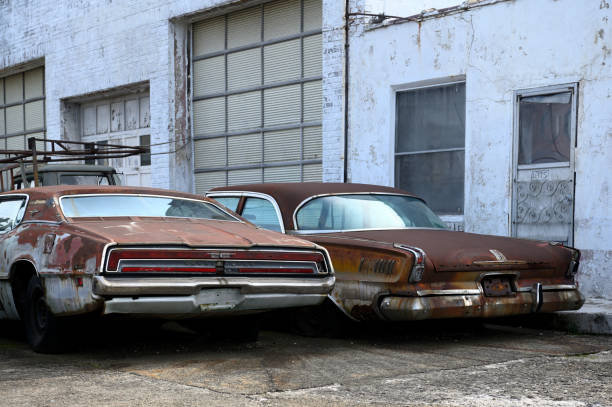

You know, everyone loves the idea of a shiny new car. You get that new-car smell, the fancy screens, the lane assist thingy that always beeps at you for looking at your coffee cup too long. But somehow, some old cars just have… soul. And not in some hipster Instagram “vintage vibes” way, I mean real performance stuff. You park a twenty-year-old beast next to a brand new car and sometimes, believe it or not, that old guy still gives the new model a run for its money.
Built to last, not just to look good
One of the reasons old cars sometimes outperform new ones is pure engineering philosophy. Back in the day, cars were built to last. Manufacturers weren’t obsessed with making cars “eco-friendly” or “ultra-light” to the point where they feel like you’re driving a giant cardboard box. They used heavier metals, thicker frames, and engines that could basically survive a minor apocalypse. My uncle once drove his ’87 Toyota for almost 500,000 km without major engine issues — meanwhile his friend’s brand-new hatchback needed a turbo replacement after just 60,000 km. And yes, I know those are weirdly specific numbers, but it happened.
Newer cars are often jam-packed with tech, which sounds cool until something breaks. That infotainment system that’s supposed to make your life easier can sometimes glitch, freeze, or crash completely. And fixing it? Expensive. So while a new car might win in fancy gadgets, the old car wins in raw reliability and simplicity.
Simplicity equals speed
Another thing that’s often overlooked is weight. Those old engines, while heavier, were more straightforward. Fewer sensors, fewer computers, fewer things that can suddenly tell your car “nope, you can’t go faster than 80 km/h now.” That old carburetor might not be fancy, but it’s predictable. It reacts to gas, not to software updates. So on some roads, an older car might accelerate or handle in a way a new one simply can’t without needing a million driver-assist features.
Nostalgia and tuning potential
Let’s talk about modding for a second. Old cars are basically playgrounds for people who like tinkering. You can replace almost anything yourself if you know a bit about engines, whereas newer cars sometimes need proprietary tools or dealer-only software to even change a lightbulb. For car enthusiasts, this means old cars can be tuned for better performance way more easily than new ones. And yes, the social media chatter is full of people bragging about their “old turbo build” on TikTok or Instagram. There’s a little pride in beating a newer car while driving something that’s technically older than half the people in traffic.
Durability in real-world conditions
New cars often shine in controlled environments — test tracks, smooth highways, perfect weather. But throw them into real-world scenarios like potholes, rough rural roads, or extreme heat, and that shiny tech-heavy machine can start whining. Old cars, on the other hand, often shrug it off. They weren’t designed for convenience features — they were designed for function. And function, it turns out, is sometimes all you really need. My cousin once drove his ’92 Honda through a monsoon, mud everywhere, barely missing a stall — meanwhile, someone next to him in a brand-new crossover was stuck because some stupid sensor refused to let the car start. True story.
Fuel and performance quirks
Yes, I know what you’re thinking — “Old cars are gas guzzlers, aren’t they?” Well, yes and no. Sure, some vintage V8s drink fuel like it’s water, but plenty of older cars had engines designed to rev freely and respond quickly. Modern cars often sacrifice immediate throttle response for efficiency and emission standards. So in some real-life situations — overtaking on a highway, pulling out of a tight corner — the old car might actually feel peppier. And don’t forget the joy of a manual transmission. Press that clutch, shift gears, feel that engine roar — no touchscreen will ever give you that.
Emotional connection and confidence
There’s also something intangible going on. People who drive older cars often take better care of them. They know their car’s quirks, its weak points, and how to push it without breaking it. That familiarity translates into a kind of confidence on the road. You might have the latest safety features in a new car, but if you’re nervous about every beep or warning light, it’s hard to drive as smoothly or aggressively. Meanwhile, the old car lets you drive with instinct because you’ve literally been living with it.
Old cars as underrated heroes
Social media usually glorifies the new and flashy, but there’s a growing trend of “vintage car appreciation” online. TikTok and Instagram reels are filled with clips of old cars outpacing newer models or handling insane conditions. Some of these might be staged, sure, but it reflects a real sentiment: people respect the durability, reliability, and raw character of older vehicles. And honestly, there’s nothing wrong with that.
Final thoughts (because someone has to wrap this up)
So why do old cars sometimes outperform new ones? It’s a mix of durability, simplicity, tuning potential, and emotional connection. They’re heavier, built to last, easier to fix, and sometimes just plain faster in real-world situations. New cars bring tech, safety, and convenience, sure — but every so often, the old-school charm and raw mechanics just win. Next time you see a classic car cruising past a new sedan, don’t just assume it’s slow or outdated. That old beast might actually be schooling the shiny new model without anyone noticing. And honestly, that’s kind of beautiful.